How I Mold-Proofed My Home (as much as humanly possible)
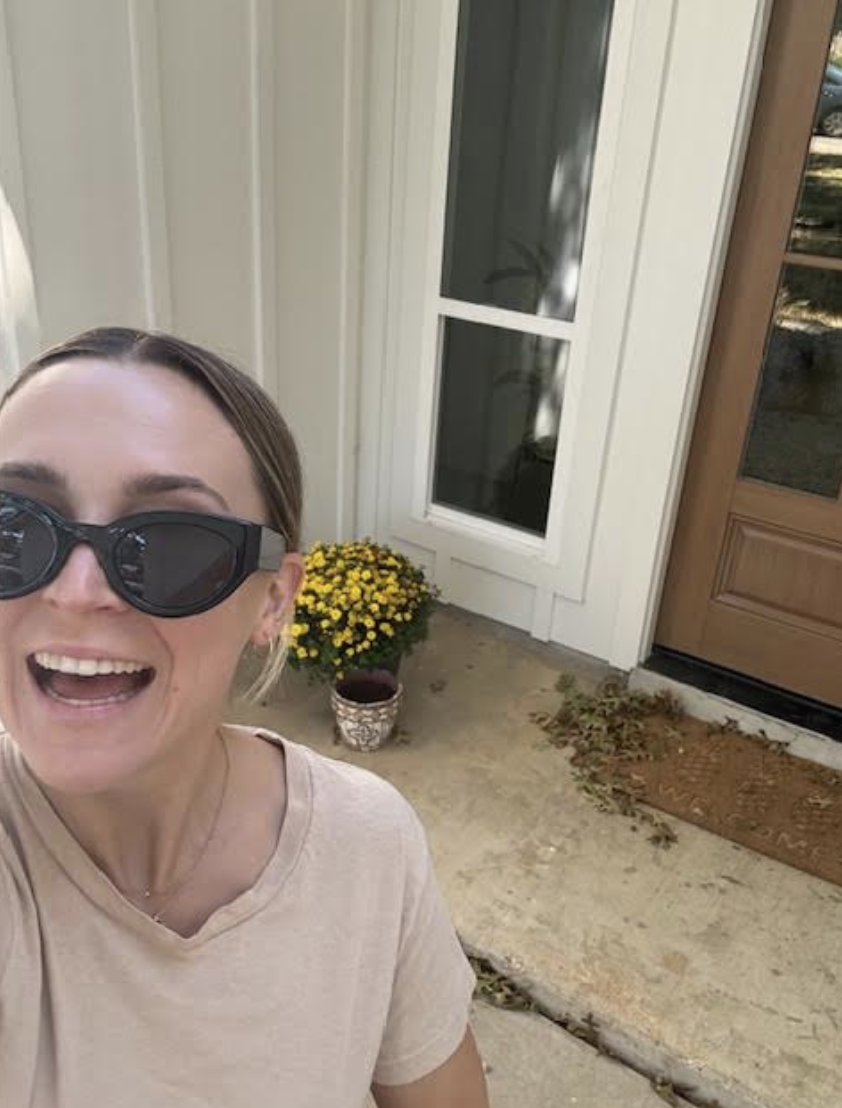
After years of living in water-damaged apartments—and getting really sick from mycotoxin exposure (the toxic, invisible compounds produced by mold) —I knew I had to approach buying my first home completely differently. Especially here in Austin, where high humidity and older building infrastructure can make mold prevention a non-negotiable.
My intention = This is not meant to incite fear but to inform! There are SIMPLE and affordable things you can do that will make a BIG difference when it comes to mold prevention. I’ve organized my tips below from super affordable options to options that are a greater investment. $ = <$100 and $$$ = $100++
PSA: I’m not a home contractor, builder, or mold remediator—just a functional medicine dietitian and someone who’s been through it with mold. I’ve worked with clients impacted by mold illness, and I’ve personally experienced how environmental mold can affect energy, hormones, digestion, and nervous system function.
Here's what I did to 1. create a healthier, more mold-resilient home along with 2. some simplified tips on how you can support your body to stay strong in the face of potential exposure.
🏠 How I Mold-Proofed My Home: In 7 Steps
1. Mold Test
For many people, the most powerful step in healing from mold illness is simply leaving the environment that made them sick. That’s why this is #1—no protocol or supplement can outwork ongoing exposure. The key is hiring a thorough $$$ mold inspector—someone who takes mold toxicity seriously, but focuses on solutions, not inciting endless fear. Ideal inspectors will use a variety of testing including ERMI, HERTSMI-2, air sampling, dust sampling, moisture mapping, infrared imaging, and humidity assessment.The best inspectors don’t just measure spore counts and call it a day. They Identify the source of elevated spore counts and moisture, use moisture meters and thermal imaging to check for hidden water damage and inspect your HVAC system, a common but often-missed mold hotspot.
Questions I ask a mold inspector:
Do you work with people who have been chronically ill from mold exposure?
Do you personally have experience or continuing education in environmental illness or mold toxicity
Do you go beyond testing spore counts to identify the source of the elevation?
Will you physically access HVAC systems, attics, crawlspaces, behind walls (if needed), etc.?
Do you perform moisture mapping or use thermal imaging to detect hidden leaks or dampness?
🚩Red flags = They say “If you can’t see or smell it, you don’t have a problem; They only rely on air testing (very limited snapshot); They downplay mold’s impact on health; They also do remediation (creates a conflict of interest).
2. Monitor Humidity
I use $ hygrometers to monitor humidity in all main living spaces and bathrooms. The goal? Keep indoor humidity below 50% to prevent mold from growing. If humidity is high, invest in a $$$ smaller dehumidifier like this one for your bathroom or you can consider investing in a $$$ whole-house dehumidifier like I did - I had mine installed through my HVAC system (shoutout to Gold Eagle Services here in Austin—they were amazing) - Santa Fe is a quality brand.
💡 Pro tip: Bathrooms and laundry rooms spike easily. Humidity >55-60% = mold risk goes way up.
3. Leak Prevention
Water leaks = one of the most common mold triggers. I placed $ leak alarms under every sink, around my water heater, and behind the washing machine. I also added $ rubber trays under sinks—to catch small leaks before they damage wood or drywall. These are simple wins that save major headaches.
4. Bathroom As a wet room
This one’s huge. Mold loves porous, cluttered bathrooms. Some tips: Keep it minimalist, avoid cluttering the space with absorbent materials like wicker baskets and paintings and consider moisture-wicking materials like the $ Dorai diatomaceous earth shower mat. For more expert advice on this topic I recommend the courses by Holistic Homes By Christine.
5. Ditch The Bleach, Use eC3 Cleaner
For ongoing prevention and maintenance, I use $ EC3 sprays, air-cleaning candles, and laundry additives—they’re specifically designed to neutralize mold spores and mycotoxins without harsh chemicals. They’re also safe, fragrance-free, and non-toxic, so I use them proactively to maintain my space. Contrary to popular belief, bleach doesn’t fully kill mold—and it can make the problem worse because it’s water-based. PS: If you have a visible mold problem - source out professional help (a mold remediator) vs. cleaning it yourself.
6. Microfiber towels
Dust is mold food. Keep your space clean and dust often using $ microfiber cloths - they pick up more dust than typical towels and even mold spores.
7. Air purifiers
I invested in an $$$ Intellipure air purifier which helps clean both mold spores and mycotoxins out of the air. Intellipure uses a specific disinfecting technology known as DFS which is designed to capture ultrafine particles including mycotoxins, at a high efficiency rate down to 0.007 microns.
⚠️ PSA: You Don’t Have to Do Everything to Make a Difference
This isn’t about perfection. Even one or two of these steps can make a big difference. If you’re just starting out, priorities I recommend
Monitoring humidity with hygrometers & reducing it where you can
Using EC3 candles or sprays regularly
Prevent leaks - Use leak alarms & clean up spills promptly