Why You Have Stinky, Smelly Gas (And What Your Gut Is Trying to Tell You)

Let’s talk about something no one wants to talk about… but MANY PEOPLE have dealt with at some point in their life: stinky, smelly gas.
It’s not just embarrassing… it’s a sign that something deeper is off with your digestion. And here’s the kicker: it’s not just about what you ate. It’s about how well your body is digesting and absorbing the food in the first place. Let’s get into it…
The #1 Root Cause of Smelly Gas? Maldigestion.
Ever had smelly gas after having a burger with fries? What about steak and guacamole? Smelly gas often points to food that’s not being broken down properly—especially protein and fat. When these macronutrients sit undigested in the gut, they ferment and feed bacteria, leading to foul odors.
The medical term for this is maldigestion—and here’s what commonly causes it:
⚡ Low Stomach Acid
Stomach acid is your digestive system’s gatekeeper. It helps break down protein, kills off pathogens (it’s a natural antimicrobial), and activates digestive enzymes. Without enough of it, food doesn’t get properly prepped for the rest of the digestive process.
⚡ Poor Bile Flow
Bile is key for fat digestion and also helps keep bacterial overgrowth in check. Sluggish bile = poor fat absorption and more fermentable waste sitting in the gut leading to that stank.
⚡ Low Brush Border Enzymes
These enzymes in your small intestine finish the digestion process. But stress, gut inflammation, or infections can damage the gut lining and lower enzyme output—leaving more undigested food behind. I see this pic very commonly in autoimmune diseases - especially Celiac, where the SI is usually irritated or damaged. This is also common in SIBO where overgrowth in the small intestine causes irritation to the lining and lackluster enzyme output.
⚡ Low Minerals
Low minerals can seriously impair digestion because they’re essential for every step of the process. Magnesium supports gut motility by keeping smooth muscle contractions strong—without it, food slows down and ferments. Sodium helps manage stress and is needed for stomach acid production. Potassium is crucial for thyroid function and gut motility, helping activate thyroid hormones that keep digestion moving. And manganese acts as a cofactor for enzymes that break down protein, carbs, and fats. When these minerals are depleted, digestion falters—leading to bloating, gas, and malabsorption.
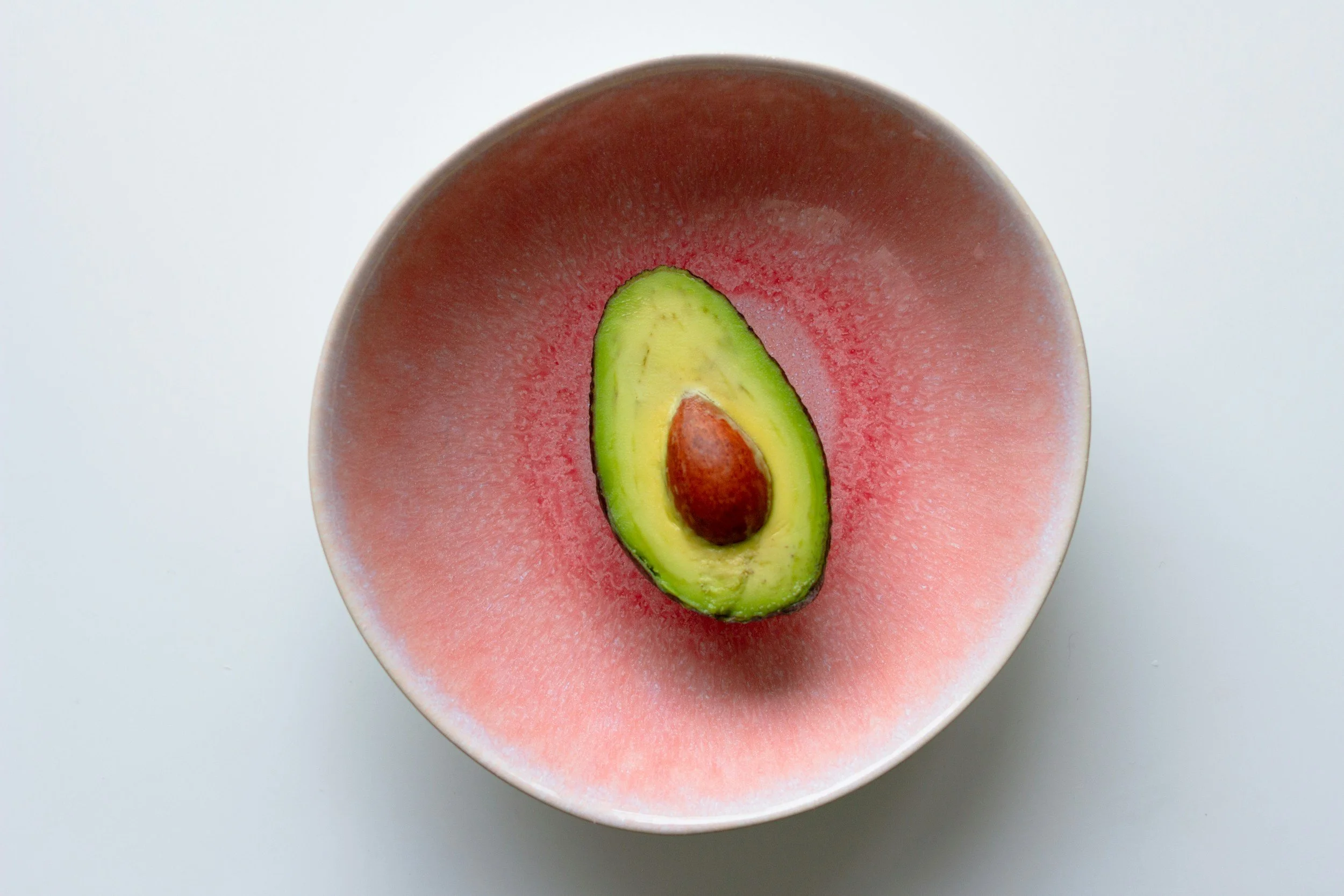
Smelly gas often points to food that’s not being broken down properly—especially protein and fat.
The Kicker: Women Are Especially Prone to Maldigestion
There are a few reasons why women, in particular, often experience these digestive challenges:
🧠 We’re more sensitive to stress.
Stress isn’t just mental—it affects mineral stores like magnesium, zinc, sodium, and potassium, all of which are essential for optimal digestion. Women tend to experience higher stress reactivity and are more susceptible to nutrient depletion from things like under-eating, overtraining, poor sleep, or constant multitasking.
💊 Hormonal birth control depletes key minerals.
Zinc and Magnesium are crucial for optimal gut lining health and thus, stomach acid production along with gut motility. Hormonal contraceptives can significantly deplete them—leading to sluggish digestion and gas.
🦋 Thyroid issues slow digestion.
Low thyroid function (which is incredibly common in women) reduces stomach acid, bile production, and gut motility—making it easier for food to ferment and cause odor.
💊 A history of PPIs or NSAIDs
Proton pump inhibitors (used for reflux) and NSAIDs (like Advil or Aleve) can reduce stomach acid production and damage the gut lining integrity; setting the stage for maldigestion.
🔥 Autoimmunity
Autoimmune conditions are more prevalent in women and are strongly linked to gut issues. A damaged gut lining = lower brush border enzyme output = poor nutrient absorption.

Protein & Fat Maldigestion = Smelly Gas
Let’s zoom in on two key players:
🍳 Protein
When protein (like meat, dairy, eggs) isn’t broken down (due to low stomach acid or enzyme deficiency), it can rot and create sulfur-like odors—especially if high-protein meals feel “heavy” or leave you bloated.
🥑 Fat
Fat malabsorption (from poor bile flow or pancreatic enzyme insufficiency) leads to fermentation in the gut. The result? Gas that lingers, smells foul, and often comes with greasy stools or a floating oily appearance in the toilet. PS: even healthy, high fat foods like nuts and avocado can result in stinky gas if you cannot digest them well.
Overgrowth Is Often the Result of Poor Digestion
When stomach acid, bile, or pancreatic enzymes are low, food isn’t properly broken down. That leftover material becomes a breeding ground for bacteria and fermentation. Therefore bacteria (normally found in the colon) can overgrow in the small intestine, where they shouldn’t be thriving. This can lead to overgrowth, including SIBO (Small Intestinal Bacterial Overgrowth). Queue: bloating - especially the kind that builds throughout the day, on top of all of that gas.
And one of the most distinctive types of gassy SIBO? Hydrogen Sulfide SIBO
If Your Gas Smells Like Rotten Eggs, Consider: H2S SIBO
If your gas or burps smell like rotten eggs, hydrogen sulfide SIBO might be the root issue. In this condition, certain bacteria in the small intestine produce hydrogen sulfide gas—leading to that classic sulfuric odor. Unlike other types of SIBO, H2S SIBO often causes diarrhea, nausea, sensitivity to sulfur-rich foods (like eggs, garlic, and cruciferous veggies), brain fog, tingling in the extremities, and even bladder irritation. These clients are often sensitive to light and sound as well. It can be tricky to spot, especially since many with H2S SIBO actually tolerate FODMAP foods but feel worse with high-protein meals. If these symptoms sound familiar, it’s a strong sign to dig deeper (I recommend testing with a functional RD like myself vs. self-sleuthing this one!)
How My Client Healed Her Smelly Gas….
One of my clients, SR, had smelly gas so bad it was disrupting her daily life and affecting her confidence at work and in social situations. Her partner complained every night about it!
We ran a comprehensive stool test, and here’s what we found:
High steatocrit → a marker of fat malabsorption, showing that she wasn’t breaking down dietary fats effectively.
Low elastase → an indicator of digestive enzyme deficiency, meaning she was struggling to digest proteins, fats and carbs. Instead of just repleting with a digestive enzyme, we want to focus on the minerals that help us MAKE digestive juices (see step 4).
+ H. pylori → a common bacterial infection that suppresses stomach acid, which she desperately needed for proper protein digestion.
Low Digestive Minerals → We also ran an HTMA mineral test and found that key digestive minerals like sodium, potassium and manganese were depleted.
She didn’t need to cut out more foods—she needed foundational digestive support. We focused on:
Gently addressing the H pylori
Re-acidifying her stomach thereafter
Supporting bile and enzyme output
Rebuilding her mineral status
And guess what? In 2.5 months, her gut transformed. No more rotten egg gas. No more panic about social plans. Just better digestion, more confidence, and living her life to the fullest again.

The Digestive Tool I Recommend to Everyone: Digestive Bitters
If you're not already using digestive bitters, this is your sign. Bitters help gently stimulate your body’s own production of:
✔️ Stomach acid
✔️ Bile flow
✔️ Digestive enzymes
I formulated JÜJ—my dietitian-designed digestive bitters—for this exact purpose. It’s one of the easiest (and tastiest) ways to support digestion before symptoms start.
Bottom Line? Your Body Is Trying to Tell You Something.
Smelly gas is your gut waving a red flag.
It's not just about avoiding beans or blaming broccoli.
It’s about whether your body has the tools and support it needs to digest food properly.